

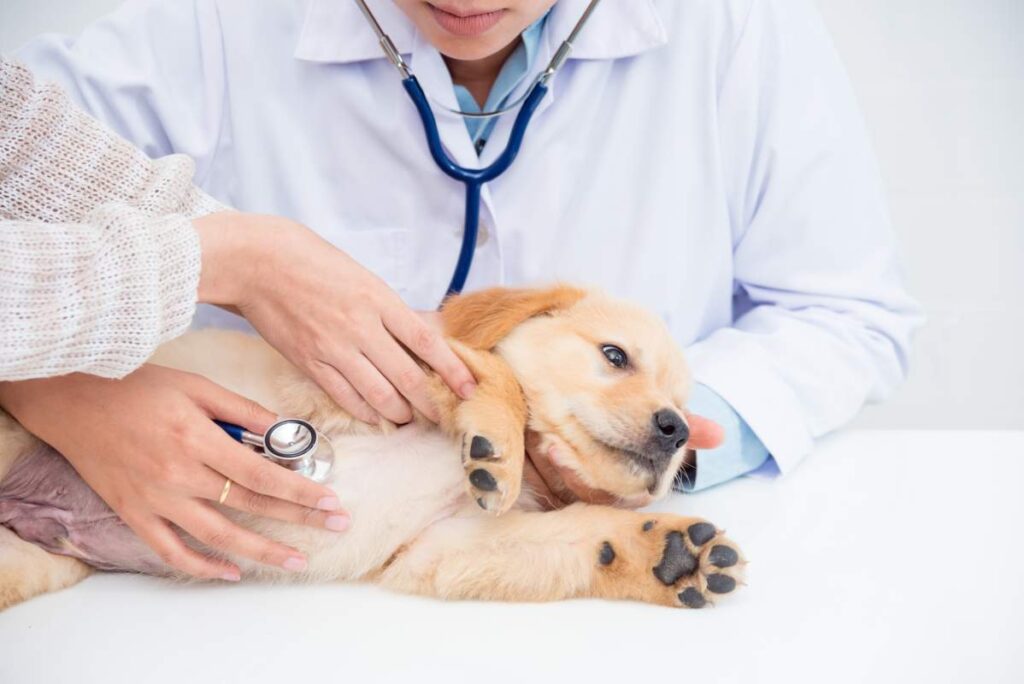
Why pet vaccination schedules are not identical
Pet vaccination schedules are built around age, previous vaccine history, health status, and exposure risk. Puppies and kittens usually need several doses because antibodies passed from the mother can interfere with early vaccines. Adult pets generally need fewer injections, but they still require timely boosters and periodic risk reviews.
For households in Craig, outdoor access, contact with wildlife, travel, boarding, grooming, training classes, and seasonal changes can all affect which vaccines are appropriate. A pet that spends most of its time indoors may have a different plan from a dog that hikes, visits public areas, or regularly meets other animals.
Vaccines are commonly divided into two groups:
- Core vaccines: Recommended for nearly all pets because the diseases can be severe, widespread, or a public health concern.
- Lifestyle or risk-based vaccines: Recommended when a pet’s activities or surroundings create a meaningful chance of exposure.
A vaccination plan should be based on the individual animal rather than a one-size-fits-all calendar.
What vaccines do puppies need?
Puppies typically begin their core combination vaccine series between 6 and 8 weeks of age. Additional doses are given every 2 to 4 weeks until the puppy is at least 16 weeks old. The final puppy dose is especially important because maternal antibodies may block earlier doses from producing full protection.
Core puppy vaccines commonly protect against:
- Canine distemper
- Canine adenovirus
- Canine parvovirus
- Often canine parainfluenza as part of a combination vaccine
- Rabies, according to vaccine labeling and applicable requirements
- Leptospirosis, which current canine guidelines recommend for most dogs because exposure can occur through contaminated soil or water and can affect people as well
After the initial puppy series, a booster is generally given within the following year. Later boosters may be spaced farther apart for some vaccines, while others, such as leptospirosis, commonly require annual revaccination.
The exact timing can vary if a puppy is sick, underweight, recently adopted without reliable records, or exposed to a disease outbreak. Until the puppy series is complete, avoid unnecessary contact with unknown or unvaccinated animals. Ask about lower-risk socialization rather than keeping a puppy isolated; safe early experiences are still valuable for behavior and confidence.
What vaccines do kittens need?
Kittens usually begin their primary combination vaccine series at about 6 to 8 weeks of age. Doses are repeated every 3 to 4 weeks until approximately 16 to 20 weeks of age.
The primary feline combination vaccine generally protects against:
- Feline panleukopenia
- Feline herpesvirus
- Feline calicivirus
Rabies vaccination is given according to the product label and applicable requirements. Feline leukemia virus vaccination is considered especially important for kittens and young cats because their exposure risk can change as they mature. It is also commonly recommended for cats that go outdoors, live with cats of unknown status, or may encounter unfamiliar cats.
Many feline vaccination guidelines include a booster review around 6 months of age for the core combination vaccine. Adult boosters are then based on the specific vaccine, the cat’s lifestyle, and the level of exposure risk. An indoor-only cat still has some risk because people, visiting animals, open doors, boarding, escape incidents, and veterinary visits can create unexpected exposure.
How often do adult pets need boosters?
Adult dogs and cats do not necessarily need every vaccine every year. Some core vaccines provide protection for several years after the initial series and appropriate booster. Other vaccines, particularly those aimed at diseases with continuing environmental or exposure risk, are often given annually.
A typical adult schedule may include:
- A booster within one year after the puppy or kitten series
- Core vaccine boosters at intervals listed on the vaccine label and medical record
- Annual review of rabies requirements and the pet’s certificate
- Annual or risk-based vaccines for leptospirosis, Bordetella, influenza, feline leukemia virus, or other exposure-related diseases
- A health examination before vaccination to identify illness or conditions that may affect timing
The word “annual” often refers to a yearly wellness review, not necessarily to giving every vaccine every year. During that review, the vaccination record can be compared with the pet’s current routine.
Which lifestyle factors affect the schedule?
A vaccine that is optional for one animal may be sensible for another. Discuss the following factors when updating a vaccination plan:
- Visits to boarding facilities, groomers, training classes, dog parks, or animal events
- Frequent hiking, camping, hunting, or travel
- Contact with livestock, wildlife, stray animals, or unfamiliar pets
- Outdoor access or a history of escaping
- Living with multiple animals
- Recent adoption from a shelter, rescue setting, or unknown background
- Plans to travel across state lines
- Exposure to standing water, damp soil, or areas visited by wildlife
Craig’s cold winters, open spaces, and outdoor household routines can make it easy to overlook exposure that occurs outside the home. Dogs may encounter contaminated water or soil during warmer months, while cats may be exposed during brief outdoor excursions. Wildlife contact is another reason rabies protection and accurate records matter, even when a pet is usually kept indoors.
Lyme disease vaccination is not automatically necessary for every pet. Its value depends on tick exposure and travel history. Likewise, Bordetella and canine influenza vaccines are most relevant when dogs regularly mix with other dogs.
What if vaccination records are missing or overdue?
If records are incomplete, do not assume a pet is protected. A veterinarian may recommend restarting part of the series, giving selected vaccines, or using other information to determine the safest plan. In most cases, the health benefits of vaccinating an overdue pet outweigh the risks of leaving the animal unprotected.
Keep a paper or digital record showing:
- Vaccine name
- Date given
- Manufacturer and product information when available
- Due date for the next dose
- Rabies certificate and tag information
- Any reaction that occurred after vaccination
A previous vaccine reaction does not always mean future vaccination is impossible. The animal’s age, health, vaccine type, severity of the reaction, and disease risk all matter. Mild tiredness, soreness, or reduced appetite for a day can occur. Facial swelling, repeated vomiting, trouble breathing, collapse, or severe weakness requires prompt veterinary attention.
Does a healthy indoor pet still need vaccines?
Yes. Indoor living lowers exposure but does not eliminate it. Cats can escape, dogs can encounter wildlife in a yard, and infectious organisms can be carried into a home on clothing, shoes, equipment, or another animal. Rabies vaccination also remains relevant because rabies is fatal once symptoms develop and can involve human health concerns.
Vaccination decisions should balance disease risk with the pet’s age, medical history, immune status, and daily environment. A clear record and a regular review make it easier to protect pets without automatically giving vaccines that do not fit their circumstances.