

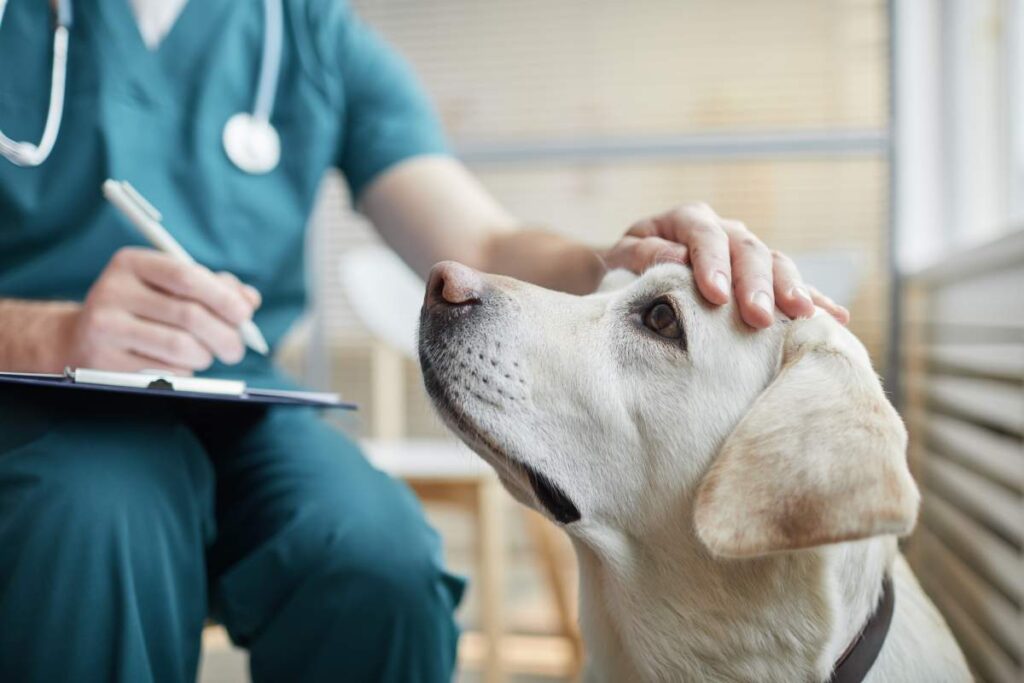
A veterinary check-up is easier and more useful when a pet arrives safely, with relevant health information and as little avoidable stress as possible. A few preparations at home can help the veterinary team understand changes in your pet’s health and make the examination more comfortable.
What should you do before the appointment?
Start by reviewing why the visit is needed and writing down observations. Pets may behave differently in a clinic than they do at home, so details from daily life can be especially helpful.
Record:
- Changes in appetite, thirst, weight, energy, sleep, or bathroom habits
- Coughing, sneezing, vomiting, diarrhea, itching, limping, or unusual breathing
- New lumps, skin changes, ear problems, or areas your pet does not want touched
- Changes in behavior, such as hiding, irritability, confusion, restlessness, or increased vocalization
- The approximate date symptoms began and whether they are getting better, worse, or staying the same
Short videos can help demonstrate coughing, abnormal movement, seizures, breathing changes, or unusual behavior. Keep notes on your phone or on paper so important details are not forgotten during the conversation.
A routine check-up should not be used to delay care for a serious problem. Difficulty breathing, collapse, uncontrolled bleeding, repeated vomiting, severe pain, suspected poisoning, heat illness, or inability to urinate may require urgent veterinary guidance rather than waiting for a regular visit.
What records and supplies should you bring?
Bring information that gives a complete picture of your pet’s health. This is particularly useful if the animal is new to the household, has recently changed veterinary practices, or has been treated by more than one provider.
Helpful items include:
- Current medication names, doses, and schedules
- A list of supplements, parasite-control products, and nonprescription medicines
- Vaccination records, laboratory results, and previous medical summaries when available
- A fresh stool sample if requested or if intestinal problems are part of the concern
- A written list of questions
- A small amount of familiar food or treats, unless feeding has been restricted
- A favorite blanket or small comfort item
Do not bring loose pills in an unlabeled container. The medication name and strength matter, and some human medicines can be dangerous to pets. If the original packaging is not available, write down the exact product and dose as accurately as possible.
For a new patient, include adoption or purchase records, microchip information, previous illnesses, surgeries, allergies, and any known reactions to medications or vaccines.
Should a pet eat before a check-up?
Do not assume that fasting is required, and do not withhold food without instructions. Many routine examinations do not require an empty stomach, while blood testing, sedation, anesthesia, or certain imaging procedures may require specific food restrictions.
Ask ahead of time:
- Whether breakfast should be offered
- Whether water should remain available
- Whether regular medications should be given
- Whether a stool or urine sample is needed
- What to do if the pet has diabetes, another condition affected by meal timing, or a strict medication schedule
If fasting is required, clarify the starting time. Puppies, kittens, toy-breed animals, diabetic pets, and animals with certain medical conditions may not tolerate prolonged fasting in the same way as healthy adult dogs or cats.
How can you reduce travel stress?
Safe transportation begins before leaving home. Dogs should be secured with a leash and, during vehicle travel, a properly fitted restraint or secured crate. Cats and small animals should remain in a sturdy carrier. Allowing a pet to ride loose can lead to injury, escape, or interference with driving.
For cats, leave the carrier open in the home several days before the visit if possible. Place familiar bedding inside and allow the cat to investigate it without being forced in. Treats can help create a more positive association. A carrier with a removable or wide-opening top may make handling easier.
For dogs, practice brief car rides that do not always end at a clinic. Calm trips, praise, and gradual exposure may reduce the association between the vehicle and an unpleasant event.
Craig’s winter cold, dry air, wind, and changing road conditions can affect travel comfort. Keep the vehicle at a safe temperature, avoid leaving a pet unattended inside, and allow extra travel time so rushing does not add to the animal’s anxiety. In warmer months, heat inside a parked vehicle can become dangerous quickly, even when outside temperatures seem moderate.
What if the pet is afraid of veterinary visits?
Fear can appear as shaking, panting, drooling, freezing, hiding, barking, growling, scratching, or trying to escape. These behaviors are not simply disobedience. They may indicate that the animal feels threatened or overwhelmed.
Before the visit, practice gentle handling for a few seconds at a time. Touch the ears, paws, legs, mouth area, and body only as much as the pet comfortably allows. Pair calm handling with a reward. Stop before the pet becomes distressed.
Do not punish growling or other warning signals. Punishment can suppress communication without removing fear and may make future handling less predictable. Tell the veterinary team about past reactions, including snapping, panic, or attempts to escape. The team may suggest a lower-stress arrival plan, waiting in a quieter area, visiting at a less busy time, or using a veterinarian-prescribed medication for severe anxiety.
Never give a human calming medicine, sleep aid, pain reliever, or leftover prescription without specific veterinary direction. Dosages and ingredients that are safe for people may be harmful to animals.
How should you prepare for an outdoor or rural lifestyle?
Pets living in and around Craig may encounter cold weather, dry conditions, dust, wildlife, livestock areas, open terrain, and seasonal parasites. Mention the animal’s daily environment during the check-up.
Useful details include:
- Time spent outdoors or off-leash
- Exposure to other animals, boarding, grooming, dog parks, or community events
- Hunting, hiking, ranch, farm, or working-animal activities
- Encounters with ticks, fleas, wildlife, standing water, or potential toxins
- Long periods outside during winter or summer
- Changes in housing, fencing, travel, or household routines
A pet that spends most of its time indoors may still need preventive care based on occasional outdoor exposure. Likewise, a working or highly active animal may have different nutritional, joint, paw, dental, or injury risks than a less active companion.
What questions should you ask during the check-up?
A useful appointment is a conversation, not only a physical examination. Ask for explanations in plain language and write down instructions if the plan is complicated.
Consider asking:
- Is my pet’s weight and body condition appropriate?
- Which vaccines and parasite-control measures are currently recommended?
- Are the teeth, ears, skin, joints, and nails healthy?
- What changes should be monitored at home?
- Which signs would require prompt attention?
- Are exercise, food, or portion sizes appropriate?
- Does my pet’s age or lifestyle change its preventive-care needs?
- When should testing or follow-up be considered?
Bring up changes even if they seem minor. Gradual weight loss, increased thirst, bad breath, slower movement, or altered sleep may be early clues to a medical problem.
What should happen after the visit?
Before leaving, make sure medication directions, feeding instructions, activity limits, and follow-up timing are clear. Ask what side effects are expected and which signs are abnormal.
Keep written instructions where household members can see them. If a pet received a vaccine, sedation, procedure, or new medication, monitor behavior and appetite as directed. Contact the veterinary team for concerning reactions rather than changing or stopping treatment independently.
Preparation does not need to be elaborate. Accurate observations, safe transportation, complete medication information, and honest discussion about behavior and lifestyle can make a check-up more efficient and help identify health concerns earlier.