

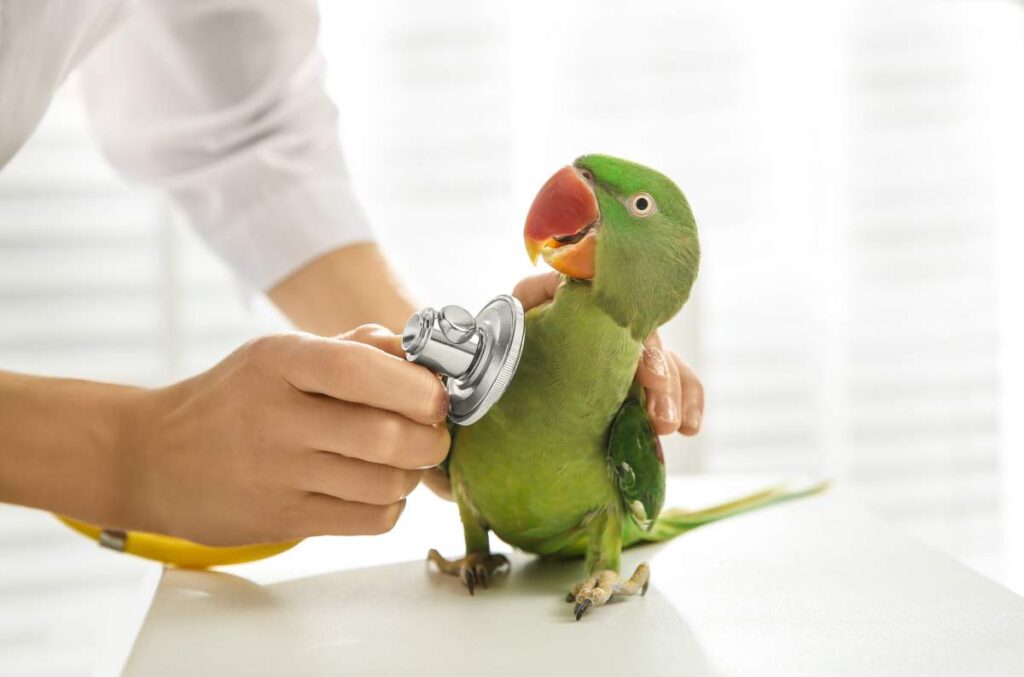
Routine wellness exams help detect health problems early, keep preventive care current, and give pet owners a clearer plan for nutrition, behavior, dental care, and age-related changes. A pet may appear healthy while developing pain, dental disease, parasites, kidney problems, or other conditions that are easier to manage when found early.
What happens during a routine wellness exam?
A wellness exam is more than a vaccine visit. The veterinarian reviews the pet’s history and lifestyle, then performs a hands-on assessment from nose to tail.
The exam commonly includes:
- Listening to the heart and lungs
- Checking the eyes, ears, mouth, teeth, and gums
- Feeling the abdomen and lymph nodes
- Examining the skin and coat
- Assessing body weight, muscle condition, and mobility
- Looking for signs of pain or discomfort
- Reviewing diet, exercise, behavior, and household habits
- Discussing vaccinations and parasite prevention
- Determining whether screening tests are appropriate
The visit also creates a health baseline. Knowing a dog’s usual weight, heart rate, dental condition, and activity level makes it easier to recognize meaningful changes later.
Why do healthy-looking pets still need examinations?
Pets often hide pain and illness. This behavior is useful in the wild but can make early disease difficult for owners to recognize. A cat with dental pain may continue eating, and a dog with early arthritis may still greet the family or go outside.
Subtle changes can be clinically important, including:
- Sleeping more than usual
- Drinking or urinating more frequently
- Gradual weight gain or loss
- Bad breath
- Reluctance to climb stairs or jump
- Changes in grooming
- New anxiety, irritability, or withdrawal
- Reduced stamina during walks or outdoor activity
A routine exam gives the veterinarian an opportunity to identify these changes before they become obvious emergencies. Early attention does not prevent every illness, but it can reduce suffering and may provide more treatment choices.
How do wellness exams protect against preventable disease?
Vaccines are selected according to the pet’s age, species, lifestyle, exposure risk, and applicable regulations. Core vaccines protect against serious diseases that can spread between animals, and rabies vaccination also has public health importance.
A vaccination plan may change over time. Puppies and kittens usually need a series of visits because protection develops in stages. Adult pets may need boosters at intervals based on the vaccine, medical history, and risk assessment. An older pet or an animal with certain health conditions may need a more individualized approach.
For households in Craig, outdoor exposure can vary widely. Some pets spend most of their time indoors, while others accompany their families on ranch properties, trails, open land, or camping trips. Vaccination and parasite recommendations should reflect those differences rather than follow a single schedule for every animal.
Why is parasite prevention still relevant in a high-desert and cold-weather environment?
Cold winters do not eliminate every parasite risk. Fleas, ticks, intestinal worms, and heartworms can affect pets through outdoor exposure, contact with other animals, mosquitoes, contaminated soil, or wildlife. Risk changes with season, elevation, weather patterns, travel, and the pet’s habits.
During wellness visits, the veterinarian may discuss:
- Heartworm prevention and testing
- Flea and tick control
- Fecal testing for intestinal parasites
- Exposure to wildlife or stray animals
- Safe disposal of pet waste
- Travel-related parasite risks
- Whether prevention should continue year-round
Dogs that hike, hunt, roam, or spend time near brush and wildlife may have different risks from indoor dogs. Cats that go outside can also encounter parasites and infectious diseases, even if they do not travel far from home.
Parasite prevention also protects people. Some intestinal parasites can infect humans, especially children and individuals with weakened immune systems. Regular waste removal, handwashing, and appropriate preventive care reduce that risk.
How can exams reveal dental disease?
Dental disease is common in dogs and cats, and many pets continue eating despite significant oral discomfort. A wellness exam allows the veterinarian to inspect the gums, teeth, tongue, and mouth for plaque, tartar, inflammation, broken teeth, infection, or other abnormalities.
Signs that may suggest oral disease include:
- Persistent bad breath
- Dropping food
- Chewing on one side
- Pawing at the mouth
- Excessive drooling
- Reluctance to eat hard food
- Swelling around the face
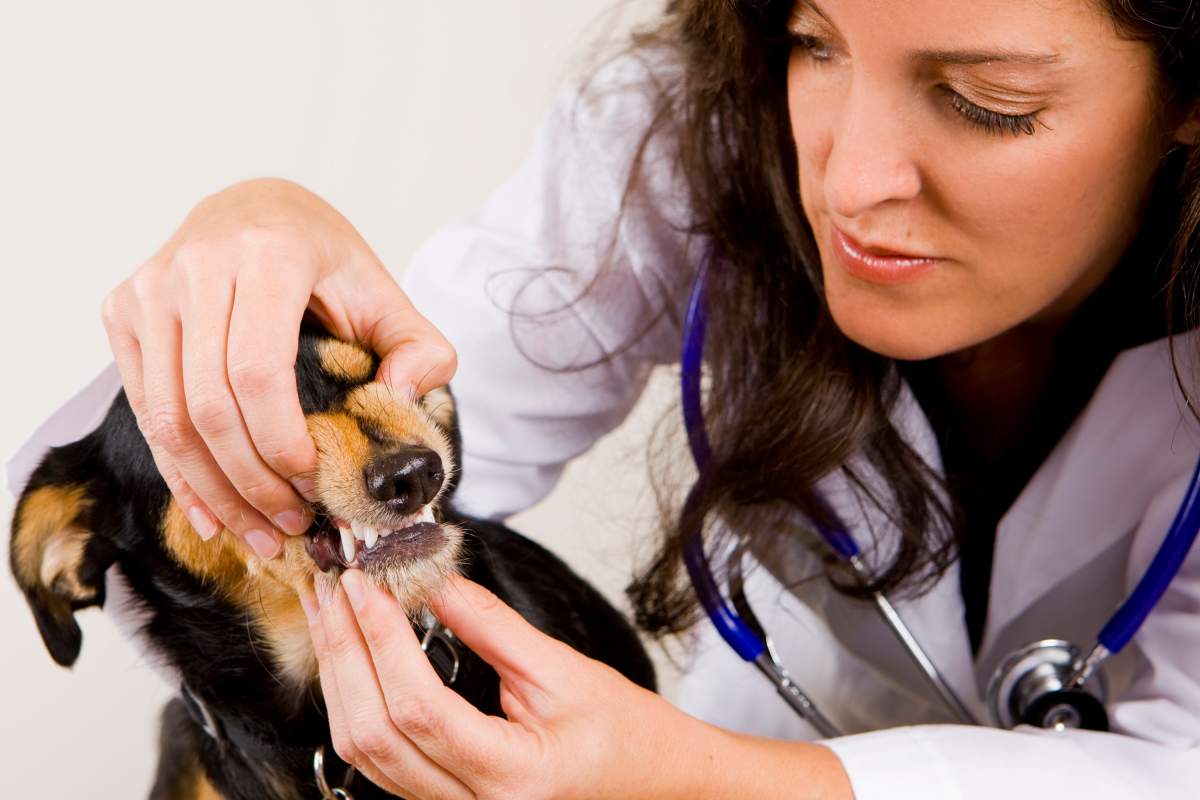
Dental problems can affect comfort, appetite, and overall health. Home tooth brushing may help prevent plaque buildup, but it does not replace an examination. Some disease occurs below the gumline and cannot be fully evaluated by simply looking at the visible teeth.
What role do wellness exams play in weight, nutrition, and mobility?
Weight changes are easier to overlook when they happen gradually. A veterinarian can assess whether a pet is carrying excess fat, losing muscle, or receiving an unsuitable amount of food for its age and activity level.
This is particularly useful for pets whose routines change with the seasons. A dog may be highly active during warmer months but spend more time indoors during snow and severe cold. Feeding the same amount throughout the year may contribute to weight gain.
The exam can also identify early joint stiffness, muscle loss, or pain. In older pets, reduced activity is not always “just aging.” Arthritis, dental disease, heart problems, hormonal disorders, and other conditions may cause a pet to slow down.
How often should pets have wellness exams?
Most adult dogs and cats should have at least one wellness examination each year. Puppies, kittens, senior pets, and animals with chronic conditions often benefit from more frequent visits.
A general pattern is:
- Puppies and kittens: multiple visits during early growth for examinations, vaccines, parasite control, and development
- Healthy adult pets: at least annual examinations
- Senior pets: examinations every six months may be appropriate, depending on age and health
- Pets with chronic disease: visits based on the condition, treatment plan, and monitoring needs
There is no single schedule that fits every animal. A ten-year-old cat, a working dog, and an indoor young adult cat may have very different preventive needs.
When are screening tests useful?
Screening tests can identify changes before a pet appears sick. Depending on age, lifestyle, and findings during the exam, testing may include blood work, urinalysis, fecal examination, heartworm testing, or tests for selected infectious diseases.
Senior pets may benefit from periodic blood and urine testing to monitor kidney function, liver health, blood sugar, hydration, anemia, and other indicators. The timing depends on the pet’s history and risk factors.
Testing is not automatically necessary at every visit for every pet. It is most useful when selected thoughtfully and interpreted alongside the physical examination and the animal’s daily history.
What should owners bring or observe before the visit?
Useful information can make a wellness exam more accurate. Owners may want to record:
- Current food, treats, and supplements
- Vaccine and parasite-prevention history
- Changes in appetite, thirst, urination, stool, or activity
- Coughing, vomiting, itching, limping, or behavior changes
- Recent travel, boarding, hunting, hiking, or wildlife contact
- Videos of unusual movements or episodes that do not occur during the visit
A wellness exam is a preventive planning visit, not merely a formality. Regular monitoring helps pets receive care suited to their age, environment, and individual risks while giving families practical information for recognizing problems between visits.