

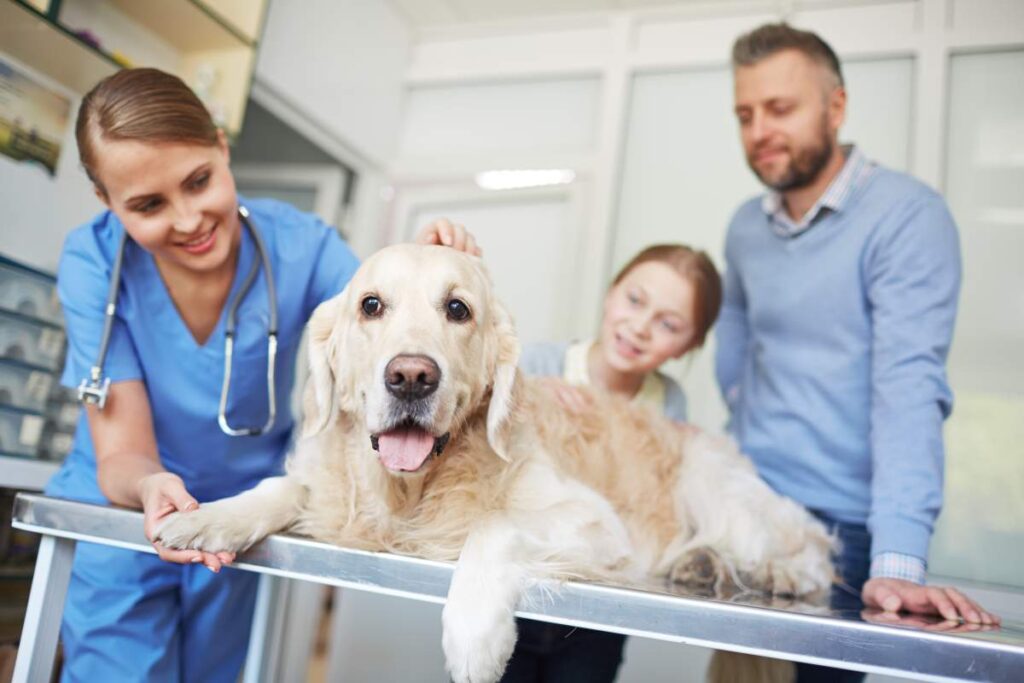
Preventive veterinary care helps pets stay healthier by identifying risks before they become emergencies. It includes routine examinations, vaccinations, parasite control, dental care, nutrition guidance, behavior assessment, and age-appropriate screening.
For households in Craig, CO, preventive planning can be especially useful because pets may experience cold winters, dry conditions, outdoor activity, contact with wildlife, and seasonal changes in exercise and exposure. A prevention plan should reflect the animal’s species, age, lifestyle, medical history, and living environment.
What does preventive veterinary care include?
Preventive care is the routine health support a pet receives while appearing healthy. It is different from treating an obvious illness or injury.
A typical preventive visit may include:
- A complete physical examination
- Weight and body-condition assessment
- Vaccine review
- Parasite-risk evaluation
- Dental and oral examination
- Nutrition and feeding discussion
- Behavior and activity assessment
- Reproductive health planning
- Screening tests based on age and risk
- Review of home safety and seasonal concerns
The schedule is not identical for every animal. Puppies, kittens, senior pets, working dogs, outdoor cats, animals with chronic conditions, and pets living with other animals may need different recommendations.
How can routine examinations detect problems early?
Regular examinations can identify subtle changes before an owner notices clear symptoms. Pets often hide pain and may continue eating, playing, or interacting normally while disease is developing.
During an examination, a veterinarian may detect:
- Early dental disease
- Abnormal heart or lung sounds
- Lumps or skin changes
- Joint stiffness or pain
- Weight gain or loss
- Ear infections
- Dehydration
- Vision or hearing changes
- Enlarged lymph nodes
- Changes in abdominal organs
- Signs of kidney, liver, endocrine, or urinary problems
Early detection does not guarantee that a serious illness can be prevented, but it often creates more treatment options. A manageable condition may be addressed before it causes severe pain, organ damage, loss of mobility, or an emergency visit.
For older dogs and cats, periodic bloodwork, urine testing, blood-pressure checks, or imaging may be suggested when appropriate. These tests are selected according to the pet’s age, breed, symptoms, medications, and individual risks rather than automatically applying the same plan to every animal.
Why are vaccines a key part of prevention?
Vaccines reduce the risk of several contagious and potentially severe diseases. They also help protect animals that are too young, medically fragile, or otherwise unable to respond fully to infection.
Core vaccines are generally recommended because they protect against diseases with significant health or public-health consequences. Other vaccines may be appropriate depending on exposure, travel, boarding, training activities, contact with unfamiliar animals, or local disease patterns.
Rabies vaccination deserves particular attention. Pets in rural and semi-rural settings may encounter bats, skunks, foxes, or other wildlife, sometimes without the owner witnessing the interaction. A bite, scratch, or suspected wildlife contact should be taken seriously. Rabies is almost always fatal after symptoms develop, so keeping eligible pets current on vaccination is an important safety measure for animals and people.
Vaccine timing depends on the animal’s age, previous records, health status, and the specific vaccine used. A veterinarian can also determine whether a pet that is overdue needs a catch-up plan.
How does parasite prevention benefit pets and families?
Parasites can cause skin irritation, anemia, intestinal disease, weight loss, vomiting, diarrhea, and in some cases serious organ damage. Some parasites can also affect people.
Preventive planning may address:
- Heartworms
- Intestinal worms
- Fleas
- Ticks
- Mites
- Other parasites associated with the pet’s environment
Outdoor dogs that hike, roam, hunt, or spend time near brush and wildlife may have different risks from indoor pets. A dog that spends much of the year indoors can still be exposed through mosquitoes, household members, other animals, or contaminated soil.
Craig’s cold seasons may reduce some outdoor activity, but winter does not automatically eliminate every parasite risk. Prevention should be based on the pet’s exposure and the effectiveness, safety, and timing of the chosen product. Giving a medication intended for another species or using leftover medication can be dangerous, particularly for cats.
Fecal testing and other screening tests can also help identify infections that are not obvious at home. A pet may carry parasites without showing visible worms or significant symptoms.
Why is dental care part of overall health?
Dental disease is one of the most commonly overlooked health problems in dogs and cats. Plaque can harden into tartar, irritate the gums, cause infection, and contribute to chronic pain. Pets may continue eating despite significant oral disease, so appetite alone is not a reliable sign of a healthy mouth.
Preventive dental care may include:
- Regular oral examinations
- Tooth brushing with pet-specific toothpaste
- Dental diets or chews when appropriate
- Monitoring for broken teeth
- Professional cleaning when disease is present
Human toothpaste should not be used for pets because some ingredients can be harmful. Home care helps control plaque but cannot remove disease below the gumline. Signs such as bad breath, drooling, pawing at the mouth, chewing on one side, dropping food, or resisting facial touch warrant closer evaluation.
Can preventive care help manage weight, nutrition, and mobility?
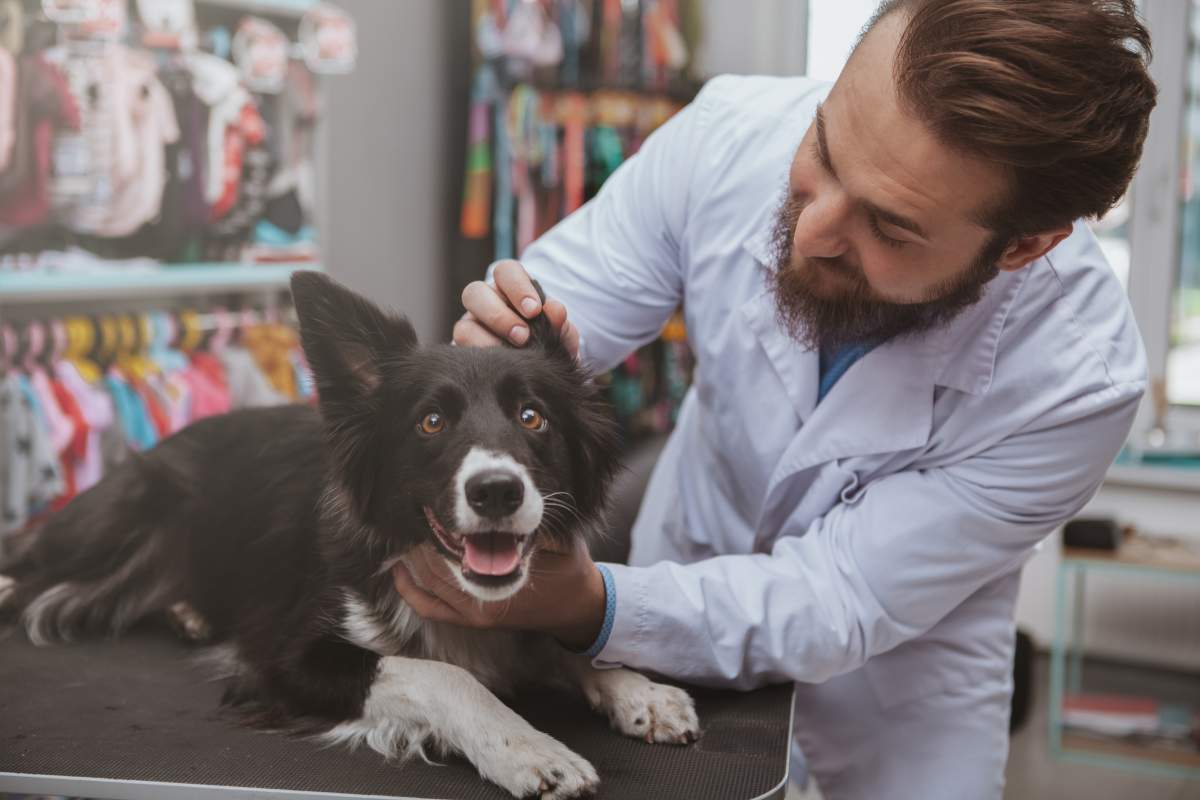
Yes. Weight management is one of the most practical ways to reduce stress on joints and lower the risk of diabetes, breathing problems, heart strain, and mobility loss.
Preventive visits provide an opportunity to review:
- Portion size and feeding frequency
- Treat calories
- Activity levels
- Growth in young animals
- Weight loss in older pets
- Joint comfort
- Safe exercise during winter
- Diet changes for medical conditions
In cold weather, some pets exercise less while continuing to receive the same amount of food. Others may burn more energy outdoors or need protection from ice, wind, and extreme temperatures. Activity plans should account for age, body condition, coat, paw health, and existing joint disease.
Early attention to stiffness can also help distinguish normal slowing from arthritis, injury, or another painful condition.
Does preventive care address behavior and safety?
Behavior changes can be early signs of pain, illness, fear, or environmental stress. A pet that becomes withdrawn, irritable, destructive, restless, or unusually vocal may need more than training advice.
Routine discussions can cover:
- Anxiety and fear
- Aggression or resource guarding
- House-soiling
- Separation-related problems
- Safe introductions between animals
- Leash and recall habits
- Travel and outdoor safety
- Identification and microchipping
- Spaying or neutering considerations
For animals that spend time outside, identification is particularly useful if they wander, become trapped, or are separated during severe weather. Secure fencing, updated identification information, and a plan for wildlife encounters are practical parts of prevention.
How often should a pet receive preventive care?
Most healthy adult pets should receive at least one thorough health examination each year. Puppies, kittens, senior animals, pets with chronic disease, and animals taking long-term medication may need more frequent monitoring.
The right schedule depends on:
- Species and breed
- Age and life stage
- Medical history
- Indoor or outdoor lifestyle
- Contact with other animals
- Travel or boarding
- Exposure to wildlife
- Local seasonal conditions
- Changes noticed at home
Preventive care works best when household observations are included. Changes in appetite, thirst, urination, stool, sleep, movement, grooming, breathing, or behavior can help identify problems before they become urgent. Routine care is not a substitute for prompt attention to serious symptoms, but it gives pets a stronger foundation for a longer, more comfortable life.